
The Early Years of Photographic Art in Finland
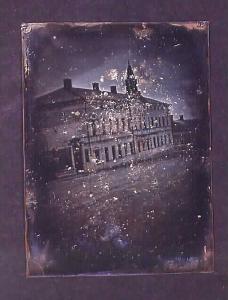
Photography arrived in Finland in the 1840s. The first photograph taken in Finland is considered to be a daguerreotype of the Nobel House in Turku, taken by Henrik Cajander on November 3, 1842. The photograph is technically modest and damaged, but historically significant: it shows how this new imaging technology arrived in Finland just a few years after the daguerreotype was introduced to the world.
In the mid-19th century, photography was still expensive and time-consuming. At first, it was used mainly by the nobility, researchers, and wealthier city dwellers. Gradually, photography studios became a part of everyday life in cities. Portraits were taken in studios, but cameras also began to be used to capture landscapes, buildings, work, folklore, and the changing urban landscape.
One of the key figures in early Finnish photography was the Norwegian-born Daniel Nyblin. He opened his own photography studio in Helsinki in 1877, and according to the National Board of Antiquities, his newly established studio attracted nearly a thousand customers in its very first year. Nyblin became a significant figure in the photography industry, and his studio’s archive has been preserved in an exceptionally comprehensive manner.
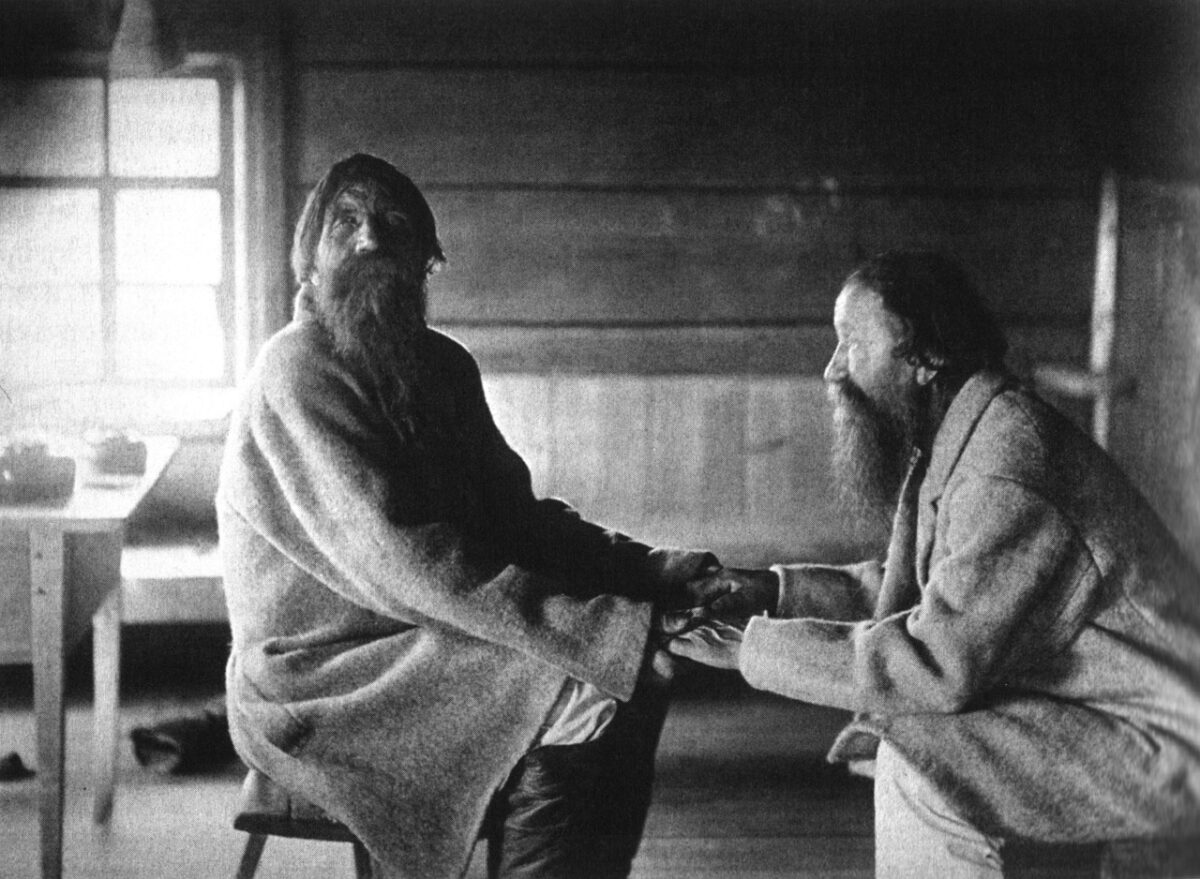
In the late 19th and early 20th centuries, photography began to move away from mere documentation toward artistic expression. I. K. Inha photographed landscapes, folk life, and Karelia in a way that had a strong influence on how the Finnish landscape and folk culture began to appear in photographs. Signe Brander, on the other hand, documented Helsinki between 1907 and 1913 on commission from the Helsinki Board of Antiquities. The Helsinki City Museum describes her as Finland’s first professional museum photographer.
Photographic art established its own distinct phase in art history in the early 20th century through Pictorialism. The Pictorialists sought to demonstrate that a photograph was not merely a mechanical copy of reality. They used soft lines, tones, and sophisticated printing techniques to create painterly, atmospheric images. According to the Finnish Museum of Photography, Finnish Pictorialism was for a long time a little-studied part of the history of photographic art.
The history of Finnish photographic art does not, therefore, begin with a single artist or style. It begins with experimentation with technology, studio culture, urban transformation, the construction of the landscape, and the gradual recognition of photography as both a form of documentation and an artistic expression.