
The theater gave women a public voice long before many other fields did
The history of Finnish-language theater is often told as the story of the emergence of the national language, literature, and the performing arts. An equally interesting perspective is that theater offered women, exceptionally early on, a venue for public work, visibility, and social influence. At the end of the 19th century, women’s opportunities in public life were limited, but on stage, a woman could be a professional, a star, a director, or a playwright.
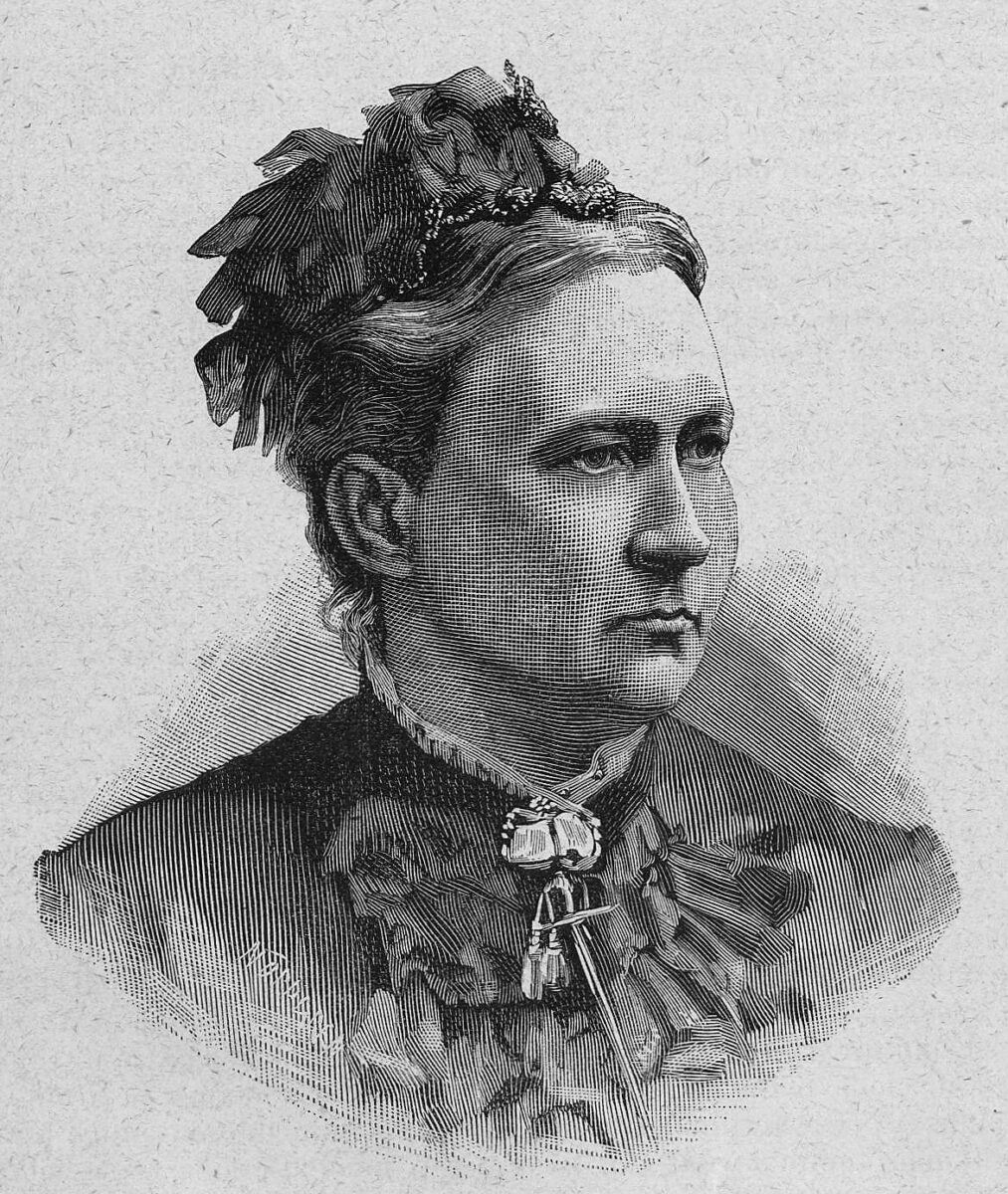
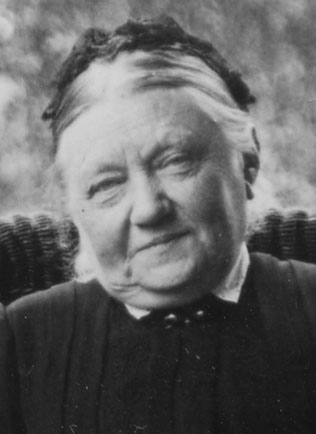
The Finnish Theater was founded in 1872, and the siblings Kaarlo and Emilie Bergbom were elected as its directors. While Kaarlo Bergbom is often remembered more prominently, Emilie Bergbom was a key organizer and behind-the-scenes force in the development of Finnish theater. The Theater Museum’s publication marking the 150th anniversary of the National Theater notes that, with Emilie Bergbom’s help, the Suomalainen Teatteri limited company was founded in 1872 and state funding was secured for several decades.
However, the theater was not unambiguously a space of freedom for women. The acting profession was high-profile and demanding, but it also conflicted with the ideals of a woman of the upper classes at the time. The Theater Academy’s theater history archives describe how young women from upper-class families might begin their careers on stage, but marriage often meant the end of their careers, as the roles of an upper-class lady and an actress were not considered easily compatible.
Ida Aalberg broke this mold in an extraordinary way. She joined the Finnish Theater in 1874 at the age of just 16 and rose to become the first major star of Finnish-language theater. The Ida Aalberg Foundation describes her as the most internationally renowned Finnish actress of her time. She also performed abroad and turned major female roles into national events.
Minna Canth brought a different kind of public voice to the stage: that of a woman who wrote about social injustices. Her play The Working Man’s Wife was published in 1885 and marked the beginning of a socially critical phase in her work. According to Kirjasampo, Canth addressed, among other things, the poverty of the working class and the subordinate status of women in her works.
In late 19th-century Finland, theater was more than just a performing art. It was a place where women could appear, speak, lead, write, and challenge the audience’s perceptions of society. At the same time, it revealed the limitations of the era: speaking out in public was possible, but doing so required exceptional perseverance.