

Suomisaundi, a quirky offshoot of Finnish psytrance
Suomisaundi is a Finnish psytrance movement that began to take shape in the latter half of the 1990s. It was inspired by the arrival of Goa trance in Finland, but the style quickly took on a life of its own in Finland. Gradually, it developed its own recognizable sound, defined not so much by a single clear rule as by the freedom to break the rules.
The "Finnish sound" has been described as a genre that draws on the legacy of psytrance, but also incorporates humor, unexpected twists, strange sounds, melodic playfulness, and a desire to break the familiar formulas of dance music. Whereas many subgenres of electronic music strive for a precisely polished and functional formula, the Finnish sound is known for its unpredictability. It can be boisterous, childlike, psychedelic, raw, and at the same time very distinctive.
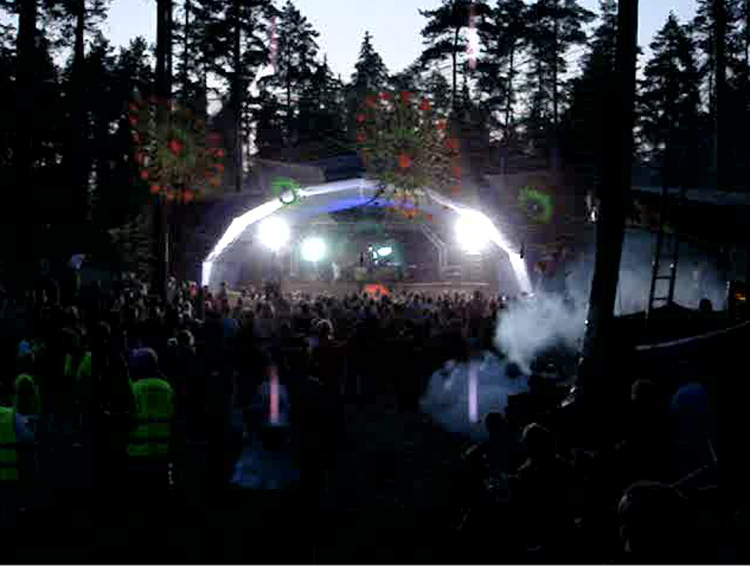
The origins of the style are linked to the early parties and forest events of the Finnish goa and psytrance scene. Nature, self-production, and a subcultural approach are integral to its history. The Finnish sound never became mainstream, but that is precisely what made it a powerful subcultural phenomenon. It developed its own group of artists, its own releases, and its own international audience.
The genre is often associated with names such as Texas Faggott, Luomuhappo, and Salakavala. Texas Faggott, in particular, has been highlighted as one of the groups through which many listeners came to recognize the “Suomi sound” as a distinct genre. Over the years, the style has spread beyond Finland, and it has gained fans, DJs, and communities in several countries.
What makes Suomisaundi so intriguing is that it doesn’t sound like the safe middle ground of international club music. It’s a quirky side path of Finnish electronic music that doesn’t really ask for understanding, but instead stubbornly marches to the beat of its own drum.