

The History of Finnish Circus: From Kupittaa in Turku to Sirkuskatu
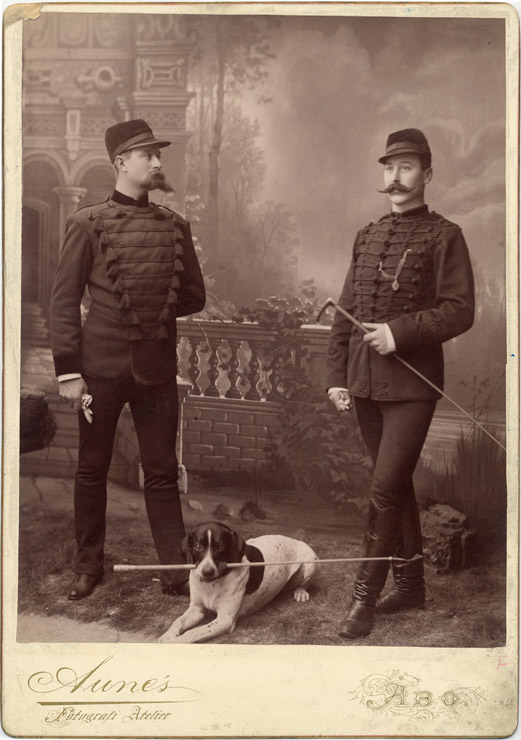
The Ducander Brothers
Carl and John Ducander are associated with the early professionalization of the Finnish circus. The Sirkus Ducander, which they founded in 1896, is considered the first Finnish circus. The brothers had backgrounds as horsemen and riding instructors, which is clearly reflected in the fact that the early circus was strongly built around equestrian skills and animal acts.
The history of the circus in Finland began surprisingly early. The first circus performance seen in Finland is considered to be the shows by French equestrian artist Jean Luster’s troupe in Kupittaa, Turku, in the summer of 1802. The troupe came from Stockholm, where it had a permanent riding arena, and the performances were built around horse tricks. This serves as a reminder that the early circus was not primarily about clowns and trapezes, but rather equestrian skills, animals, acrobatics, and traveling international entertainment.
In the 19th century, Finland served as both a transit route and a performance venue for the circus. International troupes traveled between the Nordic countries and Russia, and performances were held in Finland, particularly in cities. Surprisingly, the circus was not merely a temporary tent-based phenomenon. In the 19th century, Finland had several buildings constructed specifically for the circus or converted for circus use, at least in Helsinki, Turku, Tampere, and Vyborg. Helsinki’s first circus building was erected in Erottaja in 1869. The current Paasivuorenkatu was also formerly known as Sirkuskatu, because the Siltasaari riding hall—converted from a wallpaper factory into a circus—operated along it.
Circus Ducander is considered to be the first Finnish tent circus. It began its tour in Terijoki in 1896 with a large tent that could hold about 2,000 people. Sirkus Ducander was founded by brothers Carl and Johan Ducander, and its activities coincided with a time when domestic troupes were gradually becoming more professional alongside international tours.
In the 20th century, the circus took many forms in Finland. There were traveling circuses, fairground circuses, street performers, acrobats, strongmen, animal acts, and clowns. For a long time, the circus was also a family and clan profession, where skills were passed down from one generation to the next through hands-on work.
Today’s Finnish circus has expanded beyond the traditional circus ring to include stages, the streets, contemporary circus, social circus, and international performing arts networks. In the cultural heritage materials of the Circus Information Center, circus is described as an international art form in which skills, artists, and works move from one locality and country to another. This has been true in Finland from the very beginning: the history of Finnish circus does not begin with a closed tent, but with movement, routes, urban spaces, and performances that brought the world to the edge of the community for a moment.
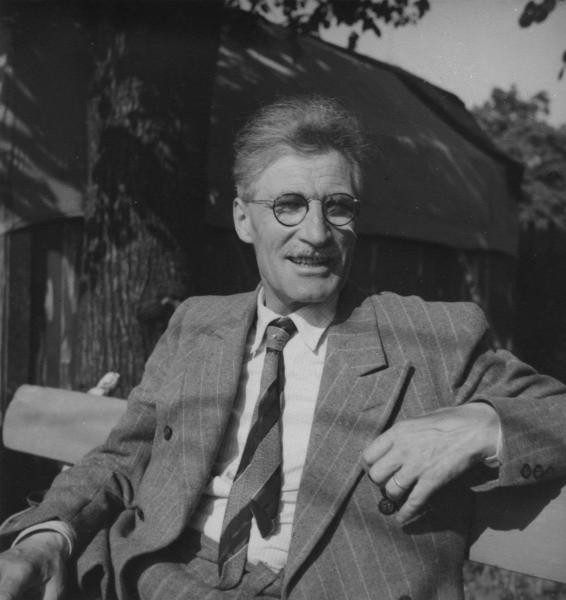
J. A. F. “Jaffu” Sariola is one of the prominent figures in Finland’s fairground and circus tradition. The photo was taken at the Suomen Suurkisat fairground in Helsinki in June 1947, at a time when the circus, fairgrounds, and large public events were closely intertwined.