
Ruisrock and Via Dolorosa
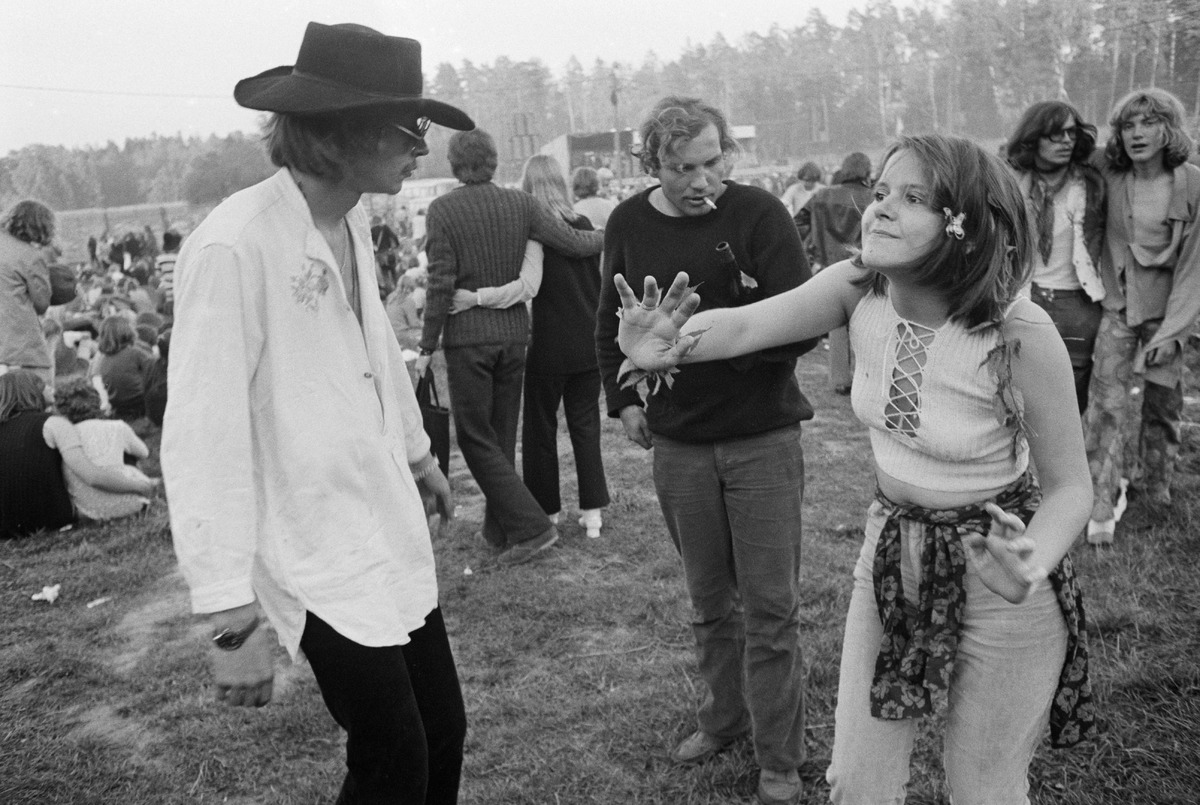
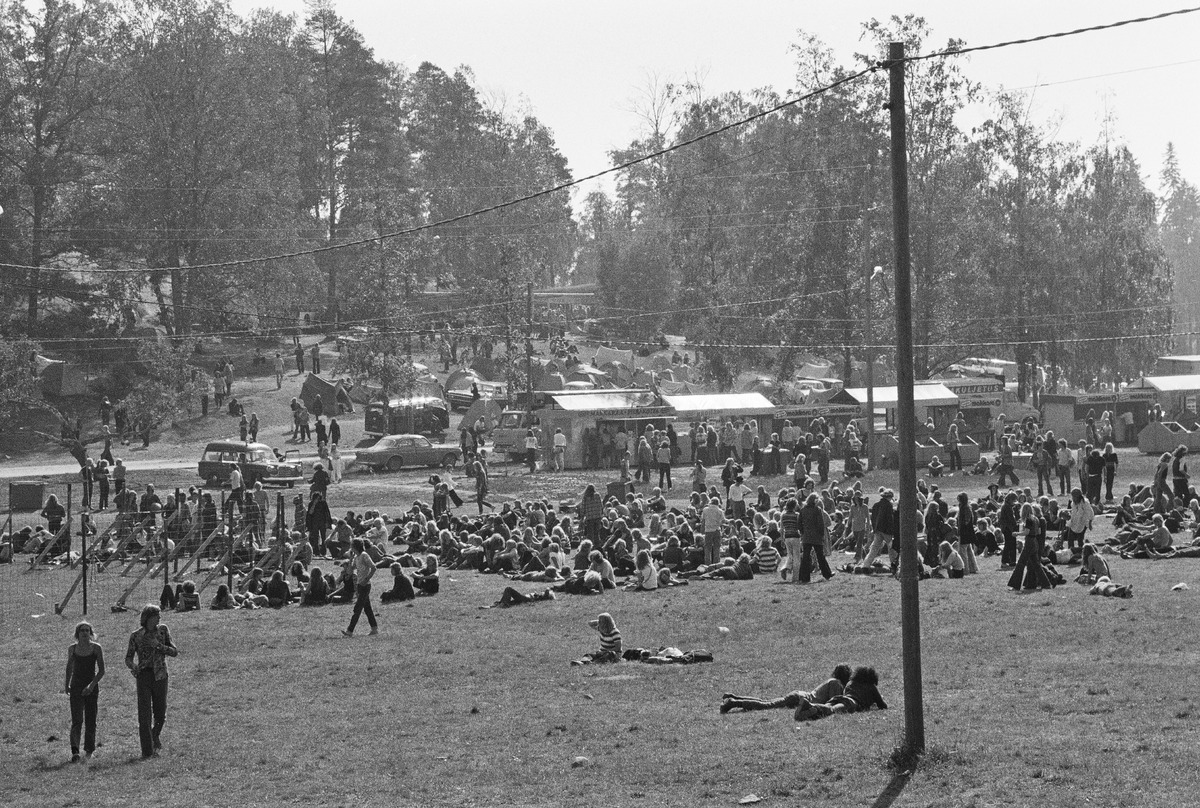
Ruisrock was first held in Ruissalo, Turku, on August 21–23, 1970, under the name Turku International Pop & Rock Festival. The first festival drew over 30,000 young people to the Saaronniemi campground and quickly made Ruissalo a central stage for Finnish rock and festival culture.
The domestic lineup at the first Ruisrock clearly reflected the changing times. Among those performing on stage were Wigwam, Kalevala , and Rauli Badding Somerjoki. There was also folk music: Konsta Jylhä and Kaustisen Purppuripelimannit performed at the festival, and their rendition of "Peltoniemen Hintriikan surumarssi" remained in the memories of many. The first Ruisrock was therefore not a rock festival in the current narrow sense, but an event where progressive rock, pop, blues influences, and folk music converged at the same turning point in youth culture.
Ruisrock is Finland’s oldest continuously running rock festival and one of Europe’s oldest rock festivals. Its history includes international performers, generations of Finnish popular music artists, and the Ruissalo landscape, which has become an integral part of the festival’s identity. Ruisrock cannot be completely separated from its surroundings: the sea, the park paths, the oak forests, and the long walk to the festival grounds are all part of the experience.
One of Ruisrock’s well-known traditions is Via Dolorosa, a long walking route toward the festival grounds. The name refers to the Way of Sorrows, but at Ruisrock it has become part of the event’s own humor and ritual. Walking from the Ruissalo Bridge and along the park path to the festival grounds can feel arduous in the heat, rain, or crowds, but for many, it is an essential part of the festival. The journey is not just a transition, but part of the arrival.
Via Dolorosa also illustrates just how deeply Ruisrock is rooted in its location. The festival is a music event, but at the same time it is a form of Finnish summer culture: the anticipation, the journey together, the scenery, and finally the arrival at the venue. In the history of Ruisrock, it is precisely this combination that has made the event more than just a lineup of performers. It has been a generational experience in which music, place, and summer togetherness have built their own cultural memory.