
Nykyaika Photography Center
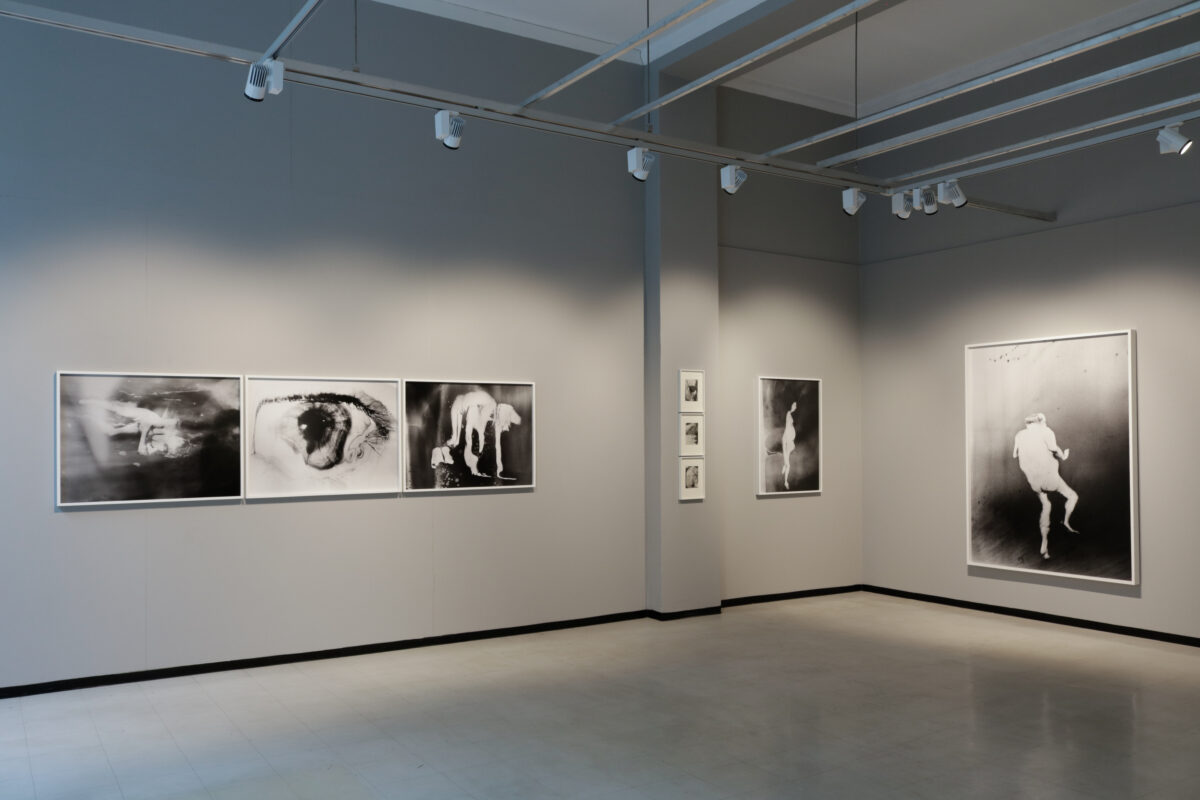
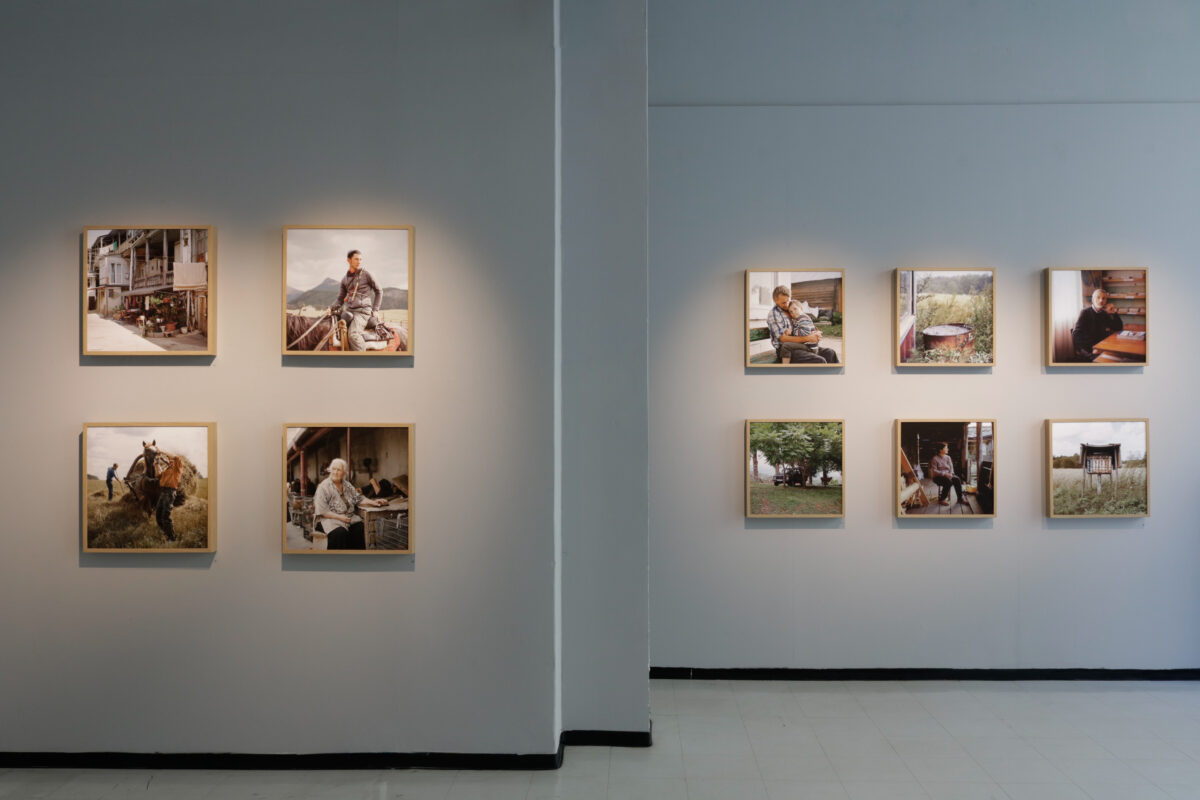
The Nykyaika Photography Center, founded in 1982, is an art gallery and expert organization specializing in photography and media art, located in downtown Tampere. It organizes exhibitions, events, and other programs that showcase domestic and international photography and media art in an accessible way.
The Photography Center is located in the heart of Tampere. The facility comprises two floors of gallery space, a reference library, the association’s office, and a small Soppi shop adjacent to the ground-floor studio. Nykyaika also serves as a meeting place for artists, industry professionals, and the public. The center promotes the visibility and accessibility of photographic art and supports artists at various stages of their careers. Admission to all exhibitions is free.
The Nykyaika Photography Center also organizes the international Backlight photography festival every three years; the festival has been held since 1987. Backlight is one of Northern Europe’s oldest international photography festivals and is known for its topical themes and its critical and social perspective.
The next festival will be held in Tampere in September 2026 under the theme “The Art of Lying.” The theme explores the complex relationships between truth, lies, and imagination in an era defined by the spread of misinformation, propaganda, and the impact of artificial intelligence on visual culture.
Backlight’26 brings 12 international and Finnish artists to Tampere, whose works explore the relationship between photography, artificial intelligence, and visual culture in relation to reality, memory, and the exercise of power. The festival’s exhibitions are spread across several exhibition spaces and public spaces, and in addition to photography, they include video works and installations.
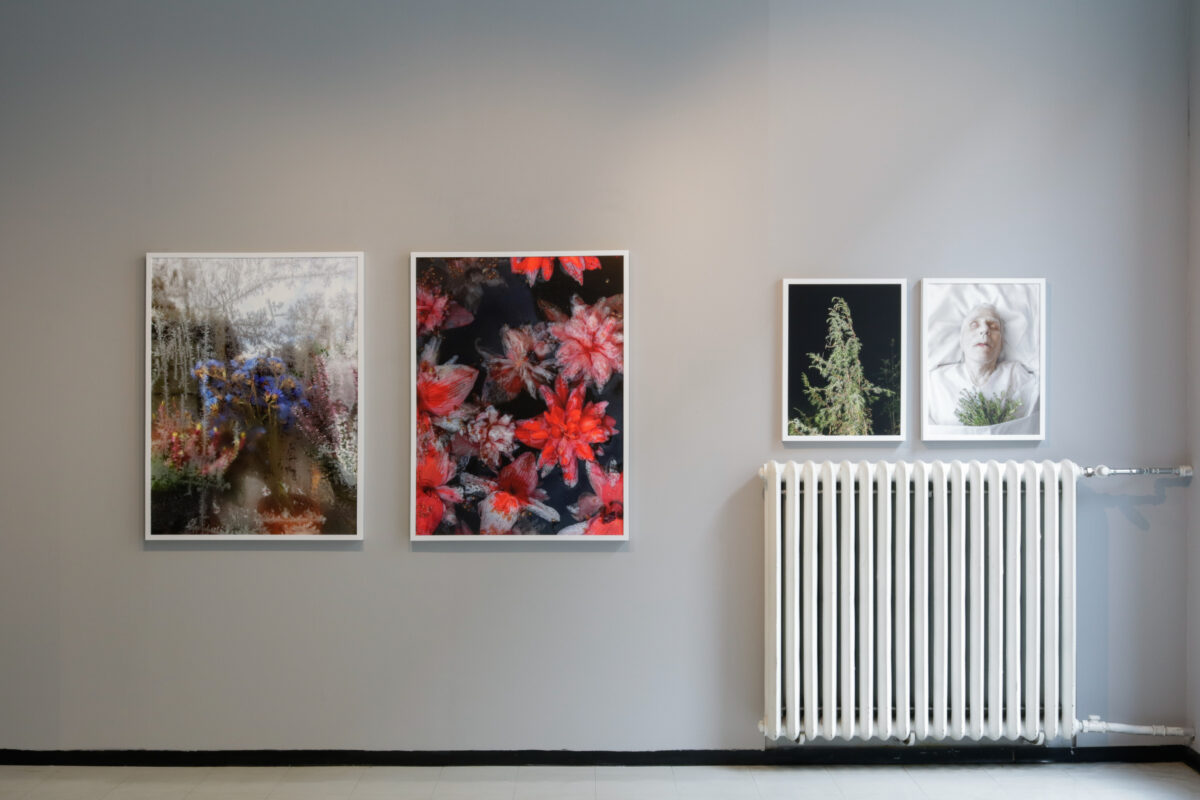
The exhibitions explore, among other things, the impact of propaganda and political imagery, the radicalizing visual cultures of social media, the power of algorithms and facial recognition, and how images are used to construct identities, memories, and collective narratives. The works address, for example, the distorting structures of colonialism and archives, state-produced information, ecological crises, and parallel realities created by the media. Some of the works utilize artificial intelligence, machine learning, and synthetic imagery, while others draw on personal memories, folklore, and documentary photography, asking who has the right to define truth and how images shape our perception of the world.
The festival’s artists approach the theme from a variety of cultural and political perspectives. The exhibition features works that address, for example, populist politics in Brazil, propaganda in Belarus, state-sanctioned visual culture in Iran, AI-based surveillance, imagery of ecological collapse, as well as personal experiences of loss, migration, and survival. The exhibition as a whole builds a polyphonic conversation about how images can both reveal and conceal reality.
The festival offers the public an opportunity to critically examine the impact of images on thought, the media, and society. At the same time, it highlights the role of art as a space where complex issues can be addressed, conflicting perspectives can be encountered, and new forms of understanding can be built in a rapidly changing media environment.